Building a Stronger Columbus, Together.
Change begins with understanding. From educational resources to community data, explore the tools designed to help you advocate for those experiencing homelessness and food insecurity across Central Ohio.
Resources for Impact
The Imani Center believes meaningful change happens when communities come together. This page provides the tools, information, and opportunities you need to support our mission, raise awareness, and actively help restore hope and stability.
Education
Why Understanding Matters
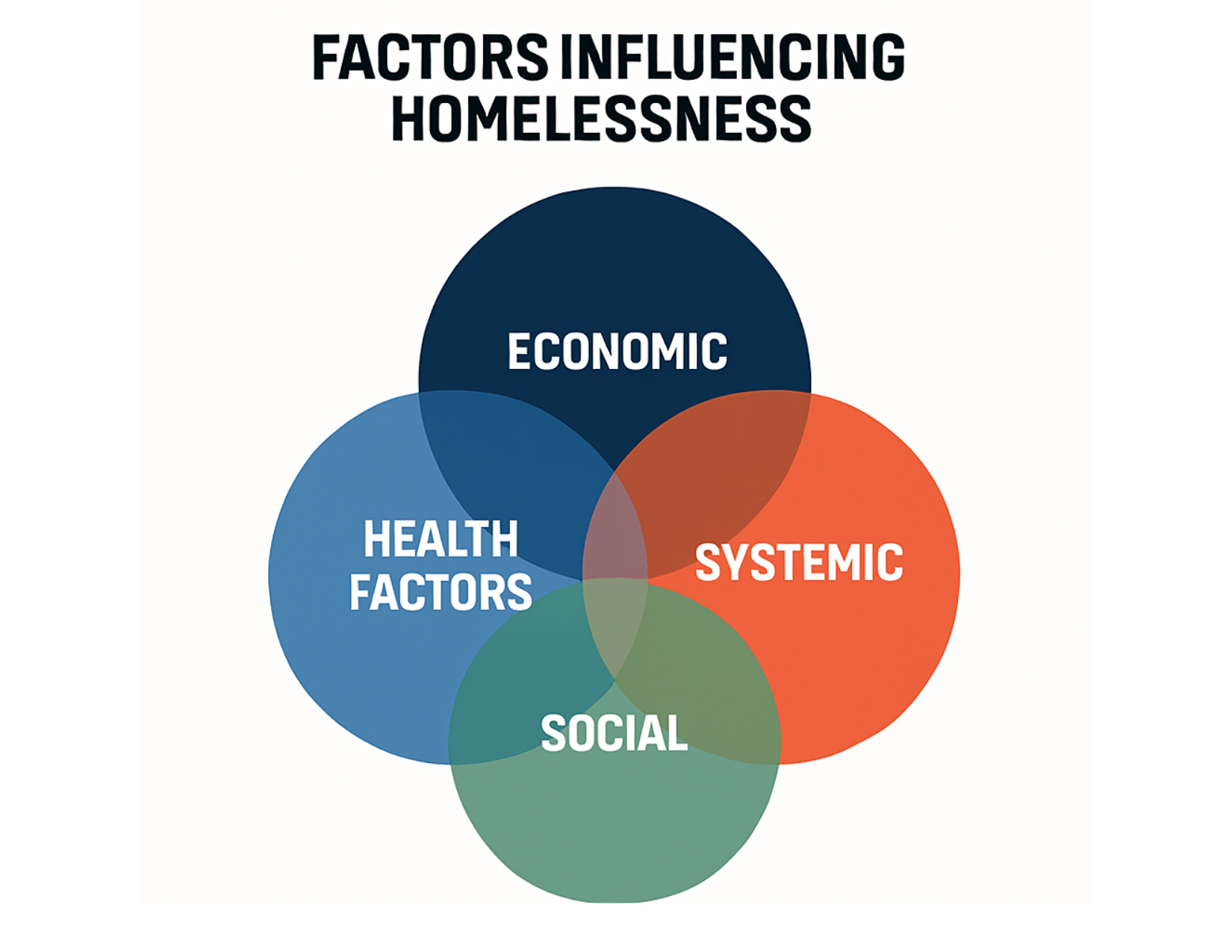
Homelessness is a complex issue shaped by economic pressures, systemic inequities, and personal challenges. By understanding these root causes, we can respond with empathy and create lasting pathways to stability for our Columbus neighbors.
Economic Pressures
Economic instability is a primary driver of housing and food insecurity. Even hardworking families can be sidelined by:
- Wages vs. Cost of Living: Stagnant wages that haven’t kept pace with rising housing costs.
- Housing Shortages: A lack of affordable options for low-to-moderate income earners.
- Financial Shocks: Unexpected emergencies that quickly drain savings and trigger a crisis.
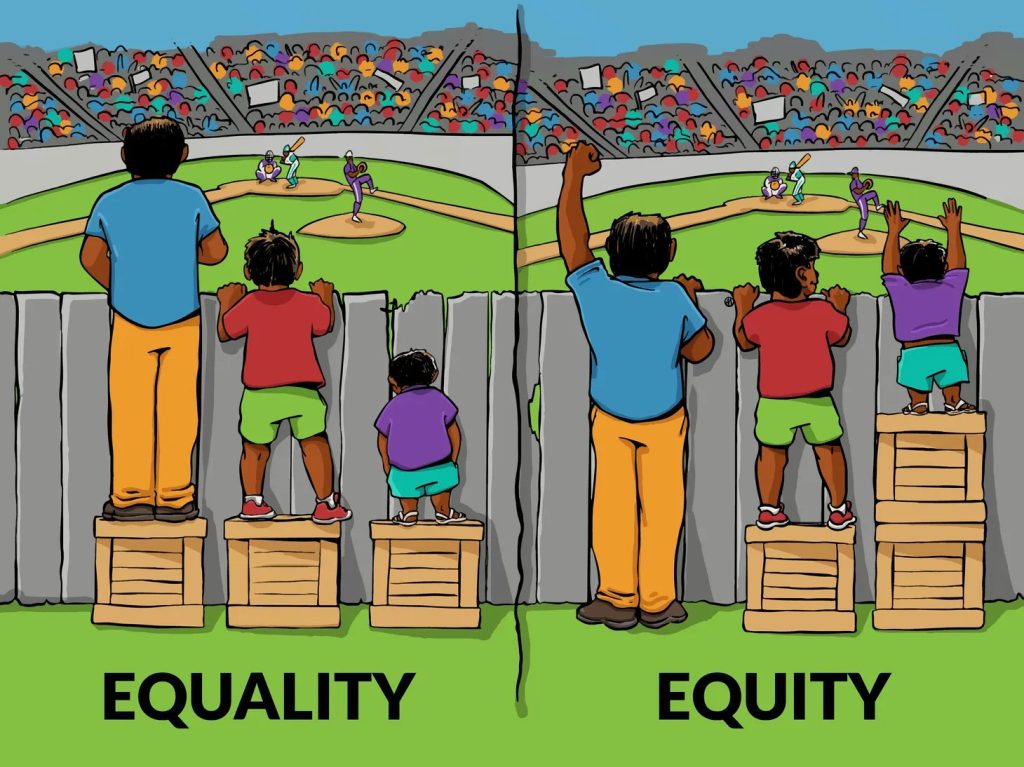
Systemic Inequities
Structural barriers often create an uneven playing field, increasing the risk of homelessness for specific groups:
- Discrimination: Long-standing bias in housing, employment, and lending based on race, religion, or identity.
- Resource Gaps: Unequal access to essential services like healthcare, reliable transit, and safe neighborhoods.

Social & Family Challenges
Many individuals face homelessness while navigating difficult personal transitions without a safety net:
- Crisis & Conflict: Escaping domestic violence or experiencing family separation.
- Isolation: The loss of a primary caregiver or a trusted community support network.
Health-Related Factors
Health crises can rapidly overwhelm a household’s budget and stability:
- Medical Debt: High costs for chronic care or unexpected emergencies.
- Support Gaps: Limited access to mental health services or trauma-informed substance use recovery.

Take Action Today
Your involvement can restore dignity, provide nourishment, and create lasting stability. Donate, volunteer, partner, or advocate—together, we can transform lives and strengthen our community.
Address
470 W Broad St #108, Columbus, Ohio 43215
Contact
Tel.:614-285-6362
E-Mail: info@theimanicenter.org
More Links
© 2026 The Imani Center
The Imani Center is a 501(c)(3) nonprofit organization